
Tartar removal
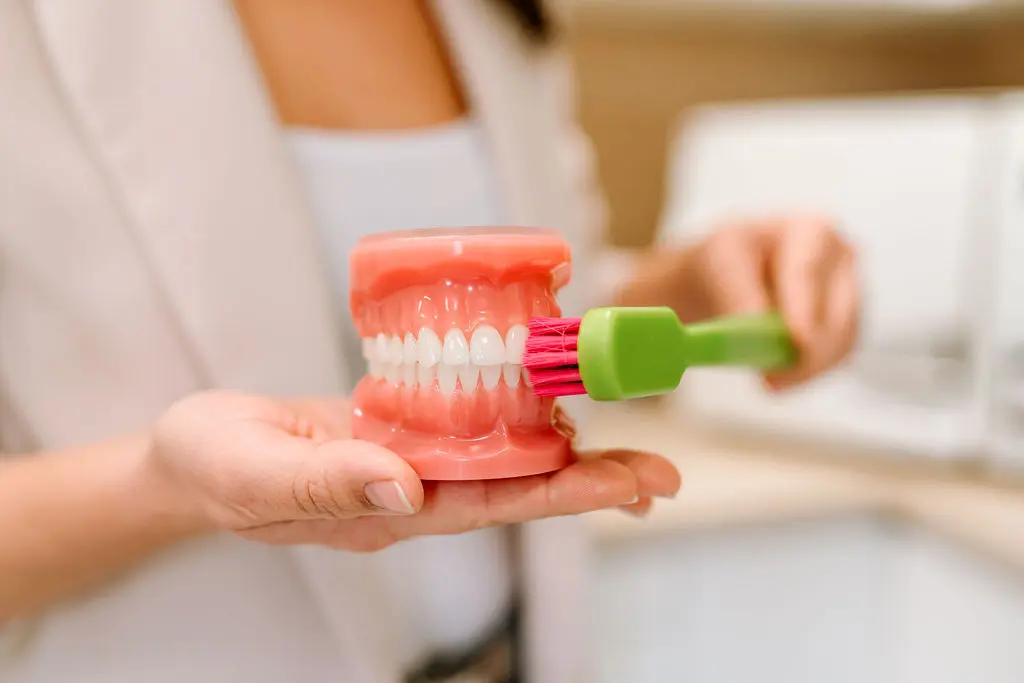
Tartar removal (scaling) – the foundation of oral hygiene
Why is regular tartar removal important?
How can you recognise tartar?

Google reviews
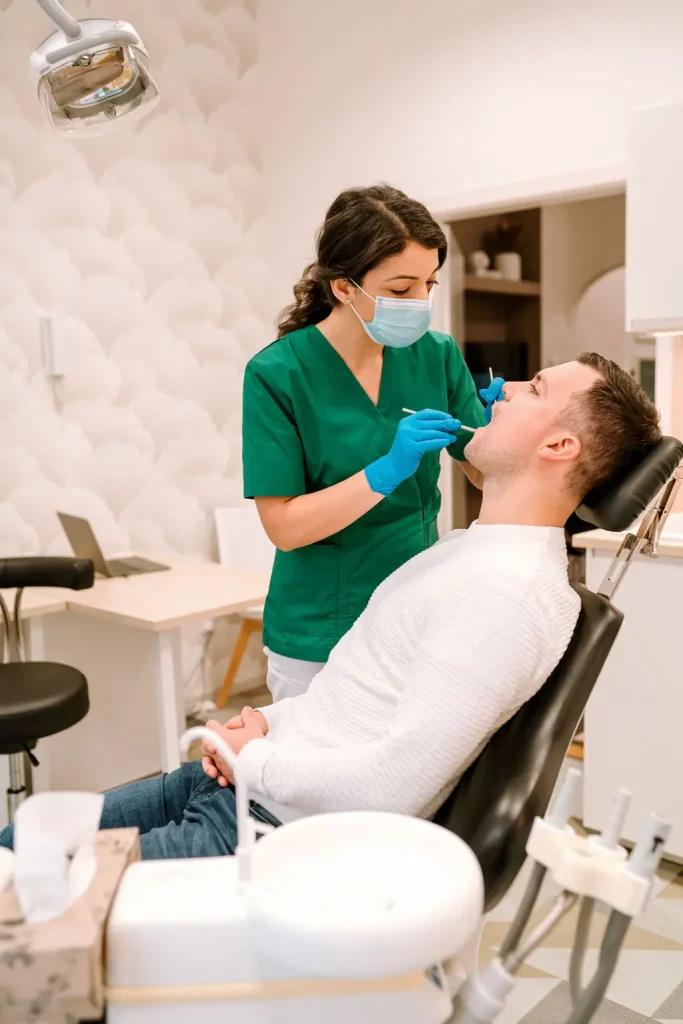
How is tartar removed at our practice?
1. Assessment and consultation
The process begins with a thorough assessment, during which we examine your teeth and the extent of tartar build-up. This allows us to plan any further treatment if needed and to decide exactly how the tartar removal will be carried out.
2. Ultrasonic scaling
During treatment we use a high-performance ultrasonic scaler that loosens the tartar with vibration and a fine water spray, without damaging the tooth enamel. This technology is fast, gentle and effective.
3. Polishing and cleaning
After ultrasonic scaling, air polishing (sandblasting) also removes deposits from hard-to-reach spaces between the teeth. The treatment ends with a thorough polish, which helps prevent tartar from forming again. Your teeth regain their natural colour – and if you would like them even whiter, a professional teeth whitening treatment after tartar removal is well worth considering.
4. Dental hygiene advice
At the end of the treatment we give our patients personalised advice on the right oral care techniques.
How painful is tartar removal?
Thanks to ultrasonic technology, tartar removal is usually painless. Deposits close to the gums may cause mild discomfort, which can easily be reduced with local anaesthetic.
What can you expect after treatment?
After tartar removal your teeth may be sensitive to hot and cold, but this natural reaction disappears within a few days. We recommend special toothpastes to reduce sensitivity.
How often should tartar be removed?
Tartar forms continuously, so a check-up every six months is recommended. At these visits we decide on the ideal frequency of treatment based on your individual needs and oral hygiene habits.