
Invisible orthodontics
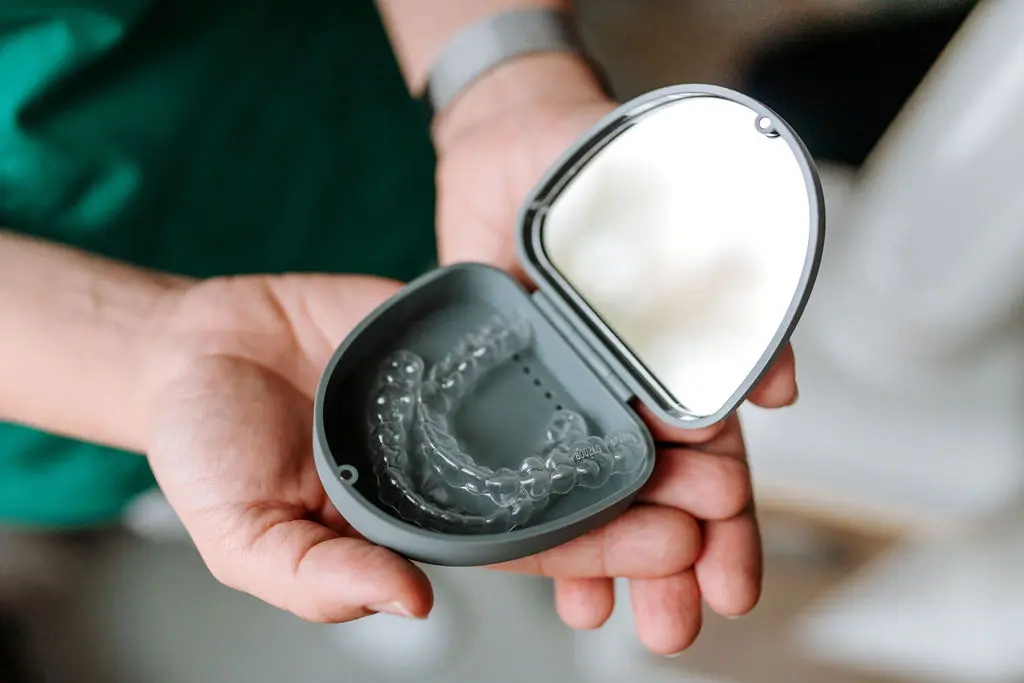
Invisible orthodontics – a modern route to a beautiful smile
What is invisible orthodontics?

Google reviews
Which problems can clear aligners solve?
Clear aligners are not only aesthetic but also a highly effective solution for a range of dental problems. They help treat the 6 most common orthodontic issues below:
- Crowding: aligning the teeth
- Gaps between the teeth: closing the spaces
- Crossbite: correcting how the upper and lower teeth meet
- Deep bite: reducing excessive overlap of the lower teeth
- Open bite: closing the gap between the dental arches
- Asymmetrical teeth: restoring an attractive, harmonious smile
LIMITATIONS OF THE APPLIANCE
- clear aligners are not recommended in every case
- in complex cases treatment can take too long, and aligners may not deliver the desired results quickly enough
- with severe bite problems, fixed auxiliary orthodontic elements may also be needed
- Because the appliance is removable, successful treatment requires excellent cooperation from the patient. After a longer break, the current aligner may no longer fit. The teeth may also shift back in a way that does not match the previous steps, so none of the earlier aligners fit either. In this case, a new series of aligners may need to be made.

6 things I love most about invisible orthodontics as an orthodontist
Book an appointment today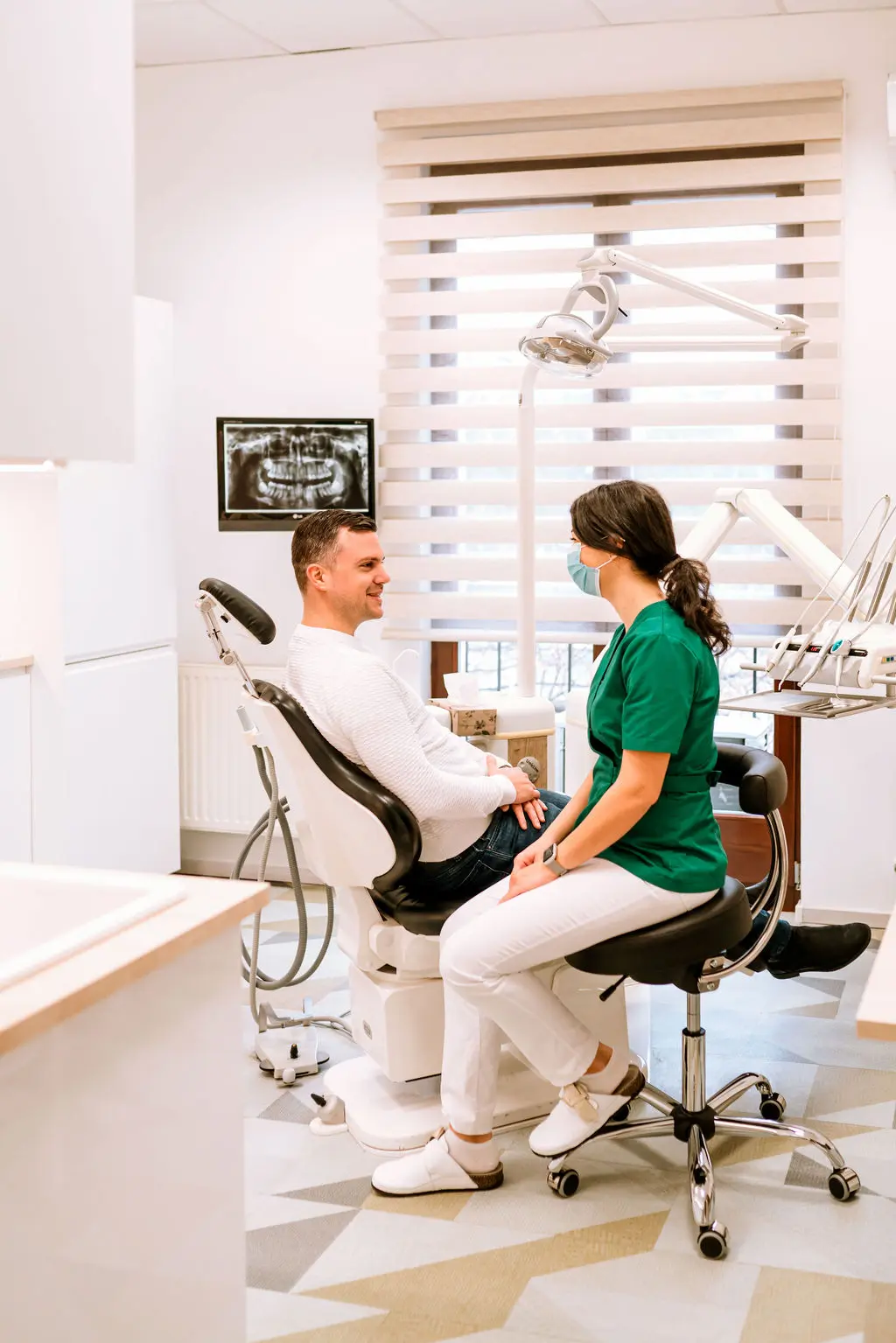
1. First consultation: at a personal meeting we assess your teeth and discuss your orthodontic needs and goals. At this point we decide whether invisible orthodontics is the right solution for you.
2. Diagnostic records: we carry out detailed diagnostics – for example digital X-rays, photographs and impressions – to get an accurate picture of the position of your teeth and what the treatment requires.
3. Digital planning: based on the records, we create your 3D treatment plan with specialised software. The plan shows not only your starting point but also the expected result, and it defines each step of the treatment.
4. Making the aligners: your custom clear aligners are made according to the digital treatment plan. They are manufactured to fit your teeth precisely, so they are both comfortable and effective.
5. The course of treatment: you change your aligners regularly (usually every 1–2 weeks), while we check your progress every one to two months. At the end of treatment, the result is a beautiful, confident smile.
6. Aftercare and retention: when treatment is complete and the teeth have reached the desired position, we use retainers (for example night-time aligners or a fixed retainer wire) to make sure the result lasts. This is essential to prevent the teeth from moving back.