
Orthodontics for adults
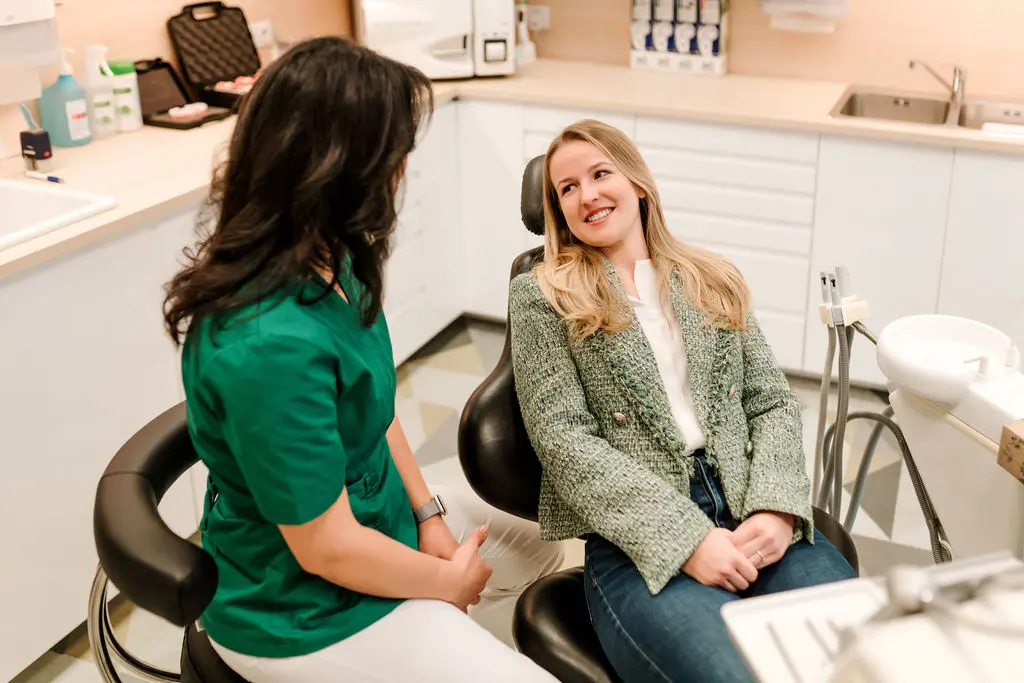
Orthodontics for adults – aesthetic and effective solutions at any age
Why consider orthodontic treatment as an adult?

Google reviews
What orthodontic options are available for adults?
1. Invisible orthodontics
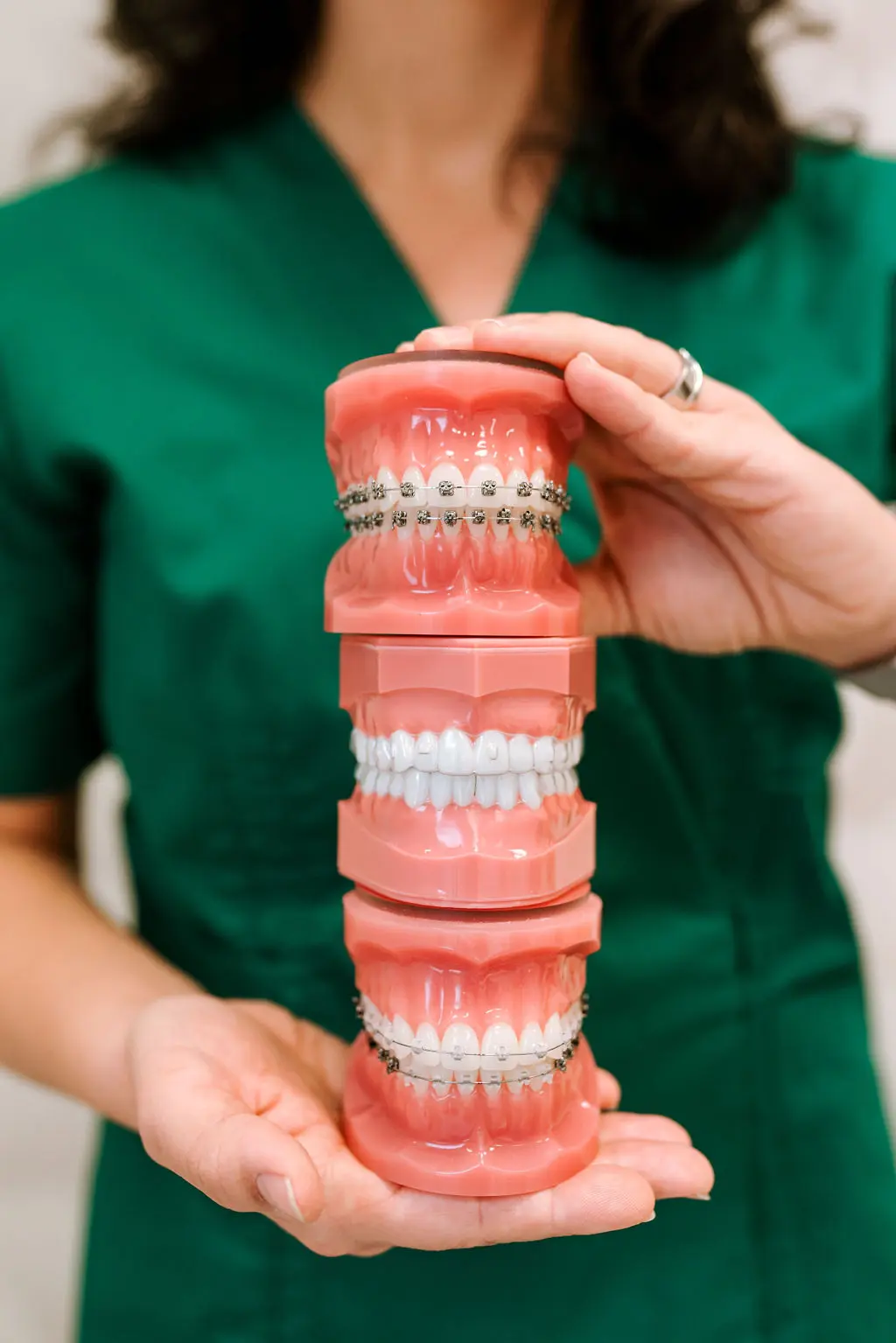
Clear aligners have revolutionised orthodontics. These removable, almost invisible appliances are ideal for treating mild to moderate tooth movement problems.
- Advantages:
- Almost invisible.
- Removable, so they do not get in the way when eating or brushing.
- Faster results for minor corrections.
- Disadvantages:
- Not always suitable for more complex cases.
- Require disciplined wear to be successful.
2. Self-ligating braces
Self-ligating appliances, such as the Damon system, hold the archwire in the brackets with special built-in clips. This technology makes treatment more comfortable and faster. In terms of appearance, you can choose between metal and ceramic versions.
- Advantages:
- Effective in treating more severe orthodontic problems.
- Faster treatment with fewer check-ups than traditional fixed braces.
- Puts less pressure on the teeth, so it is more comfortable.
- Disadvantages:
- Not as discreet as clear aligners or lingual braces.
3. Traditional metal braces
Classic metal brackets remain popular, especially for those looking for a reliable, cost-effective solution. Today's traditional fixed braces are much more discreet than they used to be.
- Advantages:
- Highly effective for treating all types of orthodontic problems.
- A durable and reliable solution.
- Disadvantages:
- Less aesthetic.
- Fixed, so harder to clean.
4. Lingual (inside) braces
Lingual braces are completely invisible because they are placed on the inner (tongue) side of the teeth. This solution is especially popular among adults who want maximum discretion.
- Advantages:
- Completely hidden – not visible from the outside.
- In certain cases just as effective as traditional fixed braces.
- Disadvantages:
- Higher cost.
- May feel unusual to the tongue at first.
Clear aligners have revolutionised orthodontics. These removable, almost invisible appliances are ideal for treating mild to moderate tooth movement problems.
Advantages:
- Almost invisible.
- Removable, so they do not get in the way when eating or brushing.
- Faster results for minor corrections.
Disadvantages:
- Not always suitable for more complex cases.
- Require disciplined wear to be successful.
Self-ligating appliances, such as the Damon system, hold the archwire in the brackets with special built-in clips. This technology makes treatment more comfortable and faster. In terms of appearance, you can choose between metal and ceramic versions.
Advantages:
- Effective in treating more severe orthodontic problems.
- Faster treatment with fewer check-ups than traditional fixed braces.
- Puts less pressure on the teeth, so it is more comfortable.
Disadvantages:
- Not as discreet as clear aligners or lingual braces.
Classic metal brackets remain popular, especially for those looking for a reliable, cost-effective solution. Today's traditional fixed braces are much more discreet than they used to be.
Advantages:
- Highly effective for treating all types of orthodontic problems.
- A durable and reliable solution.
Disadvantages:
- Less aesthetic.
- Fixed, so harder to clean.
Lingual braces are completely invisible because they are placed on the inner (tongue) side of the teeth. This solution is especially popular among adults who want maximum discretion.
Advantages:
- Completely hidden – not visible from the outside.
- In certain cases just as effective as traditional fixed braces.
Disadvantages:
- Higher cost.
- May feel unusual to the tongue at first.
How do you choose the solution that is right for you?

What are the benefits of orthodontic treatment in adulthood?
Orthodontic treatment for adults in 6 steps
1. First consultation: at our first meeting I assess the condition of your teeth and we discuss the preparations needed for orthodontic treatment.
2. Diagnostic records: we carry out detailed diagnostics – for example digital X-rays, photographs and impressions – to get an accurate picture of the position of your teeth and what the treatment requires.
3. Personalised treatment plan: based on the records, I prepare a treatment plan tailored to your needs.
4. Fitting the appliance: I bond the appliance of your choice to your teeth, and then we go through the important things to know about wearing and cleaning it.
5. Regular check-ups (adjustments): at each check-up I monitor how your teeth are moving and adjust the appliance as needed.
6. Retention: when treatment is complete and the teeth have reached the desired position, we use retainers (for example night-time aligners or a fixed retainer wire) to make sure the result lasts. This is essential to prevent the teeth from moving back.
The 6 most common questions about orthodontic treatment for adults
For many people, orthodontic treatment as an adult is still unfamiliar territory, so certain questions come up again and again. I have collected the most common ones below to help you decide.
- Is there an age limit for wearing braces?
There is no upper age limit for orthodontic treatment! It is becoming more and more popular among adults, because the position of the teeth and the bite can be improved at any age. The only requirement is healthy teeth and gums.
- How painful is it to wear braces?
In the first few days you may feel mild pain or discomfort as your teeth begin to move, but this usually passes within a few days. Thanks to modern technology, orthodontic treatment is far more comfortable today than it used to be.
- How long does treatment take?
The length of orthodontic treatment for adults depends on the individual case, but it usually takes 12–36 months. With clear aligners, minor corrections can be achieved even more quickly.
- Will my braces be visible in everyday life?
Clear aligners and ceramic brackets are extremely discreet. Lingual braces are completely invisible, as they are placed on the inner side of the teeth.
- How much does orthodontic treatment for adults cost?
The cost depends on the type of appliance and the length of treatment. With modern appliances, it is an investment in your smile. Ask for a personalised quote at your consultation!
- How should I care for my braces?
Keeping your appliance clean is especially important during treatment. With fixed braces, special toothbrushes, dental floss and a water flosser help remove plaque. Clear aligners must be taken out before every meal and cleaned regularly.